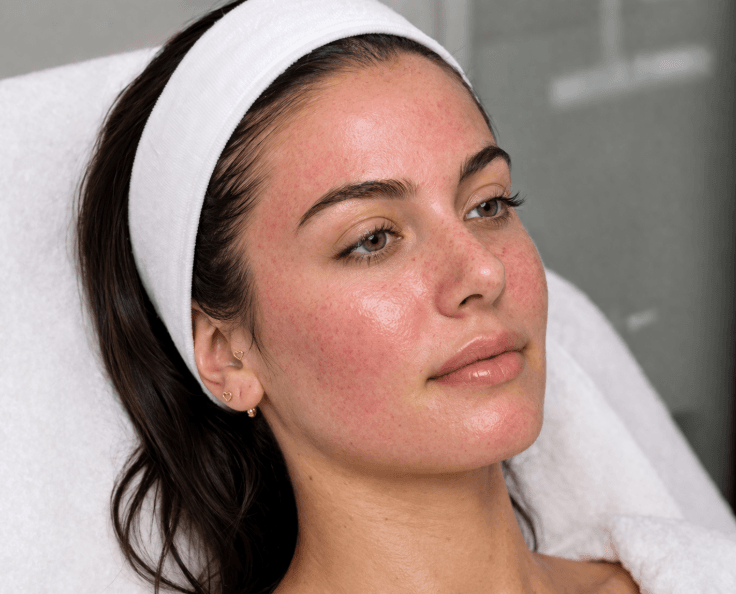
Using Your Body’s Own Biology to Improve Skin Quality
PRP (Platelet-Rich Plasma) and PRF (Platelet-Rich Fibrin) therapies are based on a simple principle: using your body’s own biological components to support skin repair and regeneration. A small amount of your blood is drawn and processed to concentrate platelets, growth factors, and other regenerative components. These are then reintroduced into the skin to support healing, collagen production, and tissue repair. Unlike treatments that rely on external substances, PRP and PRF work with your body’s natural processes, which is why they are often chosen by individuals looking for a more biologically driven approach to improving skin quality.
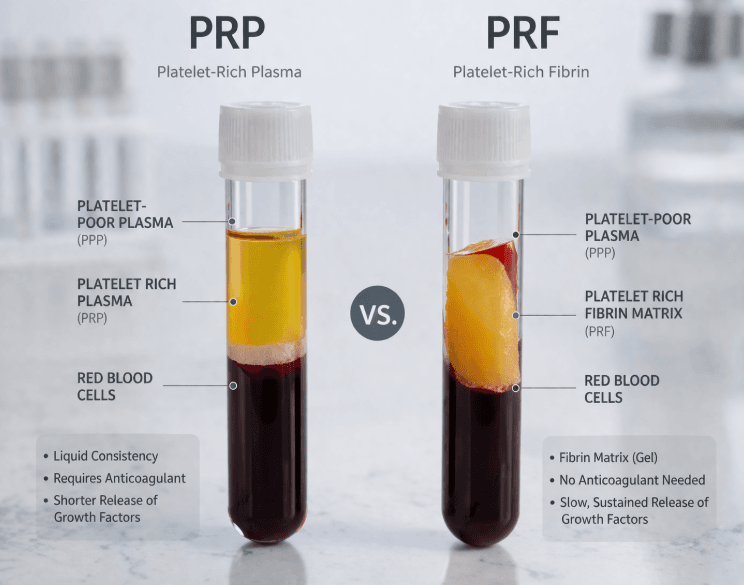
Understanding the Difference Between PRP and PRF
While PRP and PRF are often mentioned together, there are important differences in how they are prepared and how they behave in the skin. PRP is processed at higher speeds, resulting in a liquid concentrate that is commonly used for targeted treatments.
PRF, on the other hand, is processed more slowly and does not use anticoagulants, which allows it to form a fibrin matrix. This structure enables a slower release of growth factors over time. Because of this, PRF is often considered when a more sustained regenerative effect is desired. The choice between the two depends on your treatment goals and how your skin responds.
Why Choose Zorah Med Spa MD
Why Choose Zorah Med Spa MD
1.
Physician-Led Aesthetic Care
All treatments are performed under Naaz Aziz, MD, a Board-Certified Physician with 17+ years of experience — ensuring safe, precise, and medically guided results.
2.
Personalized Skin Treatments
No two clients are the same. Every treatment is customized to your skin type, concerns, and goals for optimal results.
3.
Natural Looking Results
Enhancing your natural beauty with results that look refreshed, balanced, and never overdone.
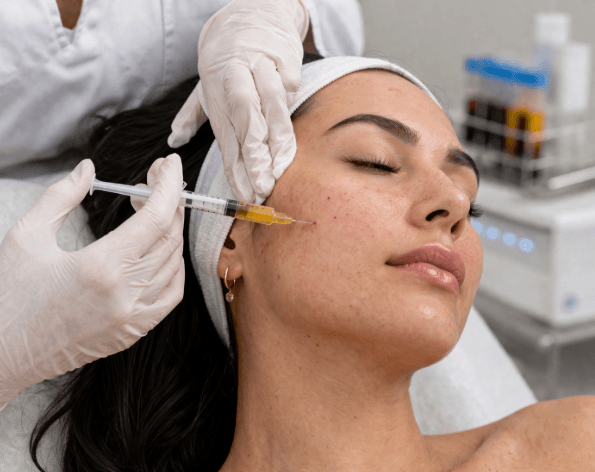
Where PRP/PRF Fits in a Treatment Plan
PRP and PRF are typically used to improve overall skin quality rather than address a single surface concern. They are commonly combined with treatments like Microneedling, which creates controlled micro-channels that allow better absorption and interaction with the skin.
While treatments like Botox (under Injections) target muscle movement, and fillers restore volume, PRP/PRF focuses on improving how the skin repairs itself. They can also complement treatments like Facials or Laser Treatments depending on your overall skin goals.
What to Expect During and After Treatment
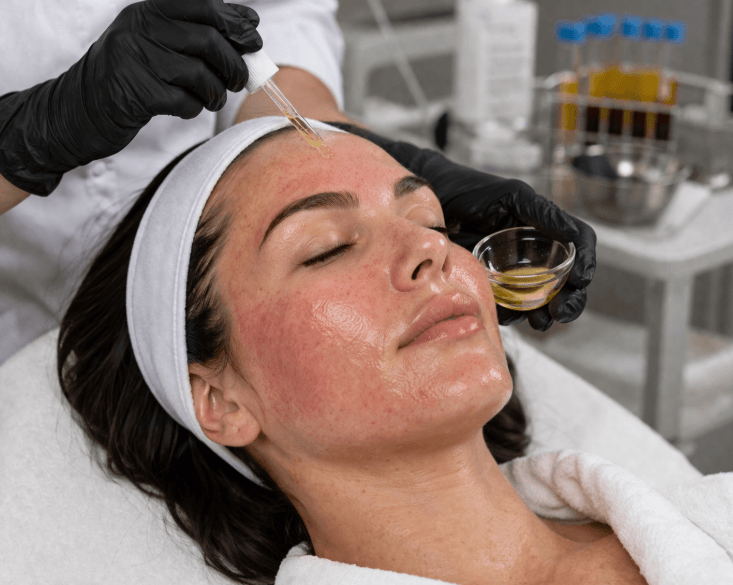
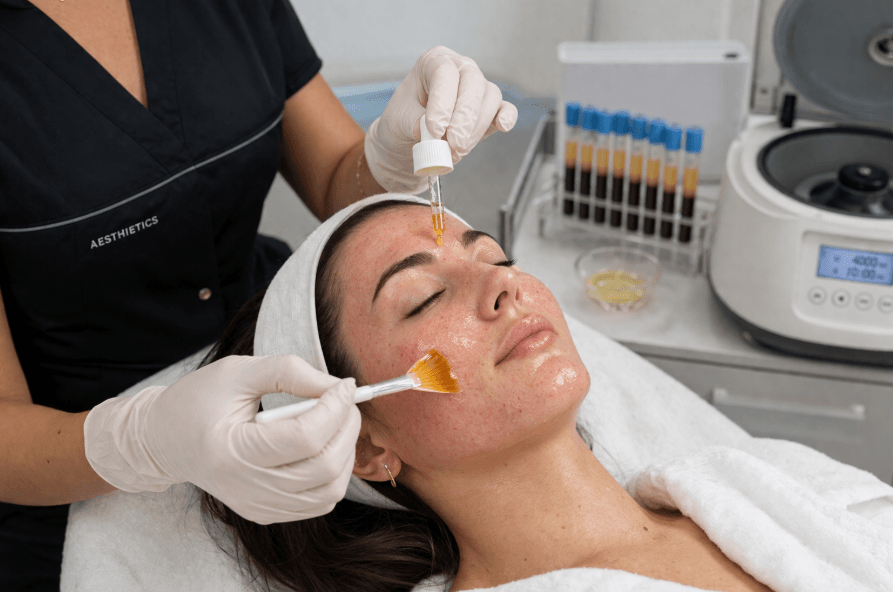
The procedure begins with a blood draw, followed by processing the sample to isolate the desired components. The prepared PRP or PRF is then applied or injected into targeted areas, often alongside microneedling. The full session usually takes about 45 to 60 minutes.
After treatment, you may experience mild redness, swelling, or sensitivity, particularly if microneedling is involved. These effects typically subside within 24 to 48 hours. Because this is a regenerative treatment, results are not immediate. Instead, improvements develop gradually over several weeks as collagen production and tissue repair processes are activated.
Frequently Asked Questions